Sugarloaf Mountain
Sugarloaf Mountain
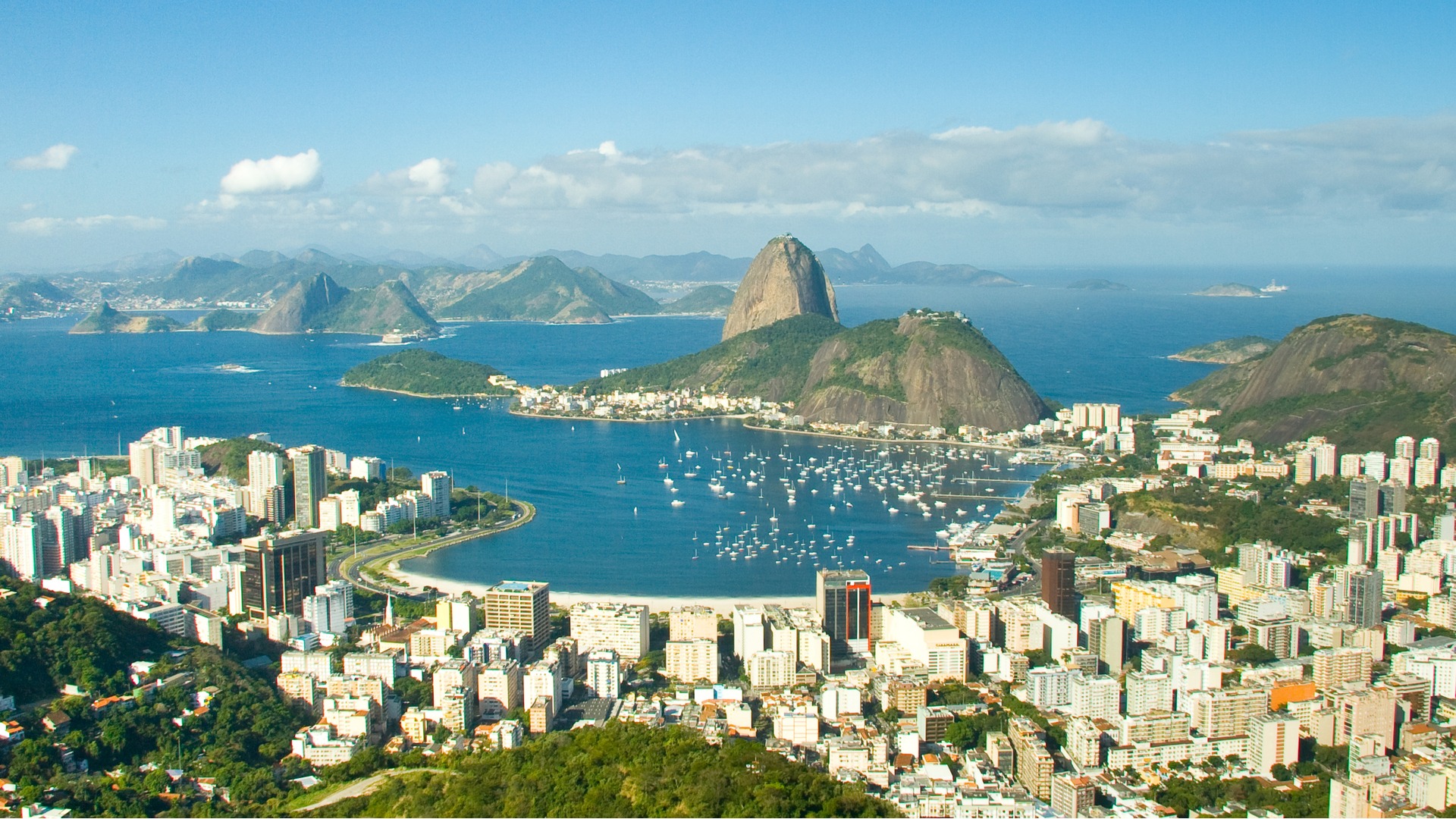
A 395-meter granite peak at the mouth of Guanabara Bay, Sugarloaf Mountain is accessed via a century-old cable car and offers one of Rio's major panoramic vistas.
Sugarloaf Mountain (Pão de Açúcar) is a granite peak rising 395 meters at the mouth of Guanabara Bay in Rio de Janeiro. Together with the Urca and Babilônia hills, it forms a granite complex inscribed on the UNESCO World Heritage list. Its cable car, inaugurated in 1913, was the world's third of its kind and remains one of the city's iconic symbols.
Why visit Sugarloaf Mountain
- 360° panorama over Guanabara Bay, Copacabana, Botafogo and Christ the Redeemer from the 395-meter summit.
- Engineering heritage: a century-old cable car whose original cabins from 1912 and 1972 are displayed on-site.
- UNESCO site: the massif is part of Rio's landscape designated as World Heritage.
- Geology: a granite dome formed nearly 600 million years ago, characteristic of the "sugarloaves" along the Brazilian coast.
- Atlantic Forest fauna: marmosets, guans and tanagers from Brazil on the Morro da Urca trails.
History of the cable car
The massif was the subject of a national exhibition around 1908, where engineer Augusto Ferreira Ramos conceived the idea of an "aerial pathway" to the summit. He filed for authorization in 1909 and partnered with German engineer Julius Pohlig, who designed the plans for what was then a revolutionary cable car system.
To finance the project, Ramos founded the Caminho Aéreo Pão de Açúcar company in 1911, sold 900 shares and raised 180 million réis (former Brazilian currency). The first section, connecting Vermelha Beach to Urca hill, opened in 1912; it was the world's third cable car. On January 18, 1913, the second section (Urca–Sugarloaf) was inaugurated with 449 passengers on opening day.
The installation was modernized in 1962 under Cristóvão Leite de Castro, then upgraded multiple times to increase cabin capacity. The Praça dos Bondes, opened in 2009, displays the original cabins to visitors.
What to see on-site
Morro da Urca (first station, 220 m)
The cable car's first stop, Morro da Urca hosts several amenities: the Praça dos Bondes and its historic cabins, the Espaço Baia de Guanabara (shops and restaurants), an amphitheater hosting performances, and the Cocoruto, a cultural space retracing the site's history with projections and original mechanical pieces.
Sugarloaf Mountain summit (395 m)
The second section takes just minutes to the peak. The panoramic terraces offer views of Guanabara Bay, Copacabana and Botafogo beaches, Christ the Redeemer on Corcovado, and the Tijuca massifs.
Morro da Urca hiking trail
A 440-meter path starts from Vermelha Beach and allows you to reach Morro da Urca on foot in approximately 40 minutes to 1 hour. Gentle slopes, no technical equipment required. The trail crosses a fragment of Atlantic Forest where marmosets, guans and Brazilian tanagers can be spotted. Once at the Morro da Urca summit, you can take the second cable car to complete the ascent to Sugarloaf Mountain.
Practical information
- Address: 458 Avenida Pasteur, Urca neighborhood, Rio de Janeiro.
- Hours: open daily, daytime and evening. Check the official website before visiting, as hours vary.
- Prices: round-trip ticket for both sections at a premium rate by local standards. Discounts for children, seniors and Brazilian residents. Online booking recommended to avoid queues.
- Duration: allow 2 to 3 hours to enjoy both summits without rushing.
- Accessibility: both stations and terraces are wheelchair accessible.
When to visit
The site is open year-round. A few guidelines:
- Late morning: clear light over the bay, less residual haze than early morning.
- Sunset: the most popular time, as city lights gradually illuminate. Recommended to arrive 1 hour before sunset for a stress-free ascent.
- Dry season (May to September): clearer skies, milder temperatures.
- Southern summer (December to March): variable visibility, afternoon storms frequent.
Avoid overcast days: the view is the site's main draw.
How to get there
By bus
From the Zona Sul, lines 107 and 511 serve the Urca neighborhood and the cable car entrance.
By metro + bus
Take the line 1 to Botafogo station, then the integrated bus 511A towards Urca. Get off near 458 Avenida Pasteur.
By taxi or ride-sharing
The most direct option from Copacabana, Ipanema or the city center. Prefer apps like Uber for transparent pricing; in a regular taxi, check that the meter is set to "bandeira 1" during daytime.
Nearby attractions
- Vermelha Beach: small sandy cove right at the foot of the complex, accessible on foot.
- Urca neighborhood: stroll along the Mureta da Urca, very popular with Cariocas in the evening.
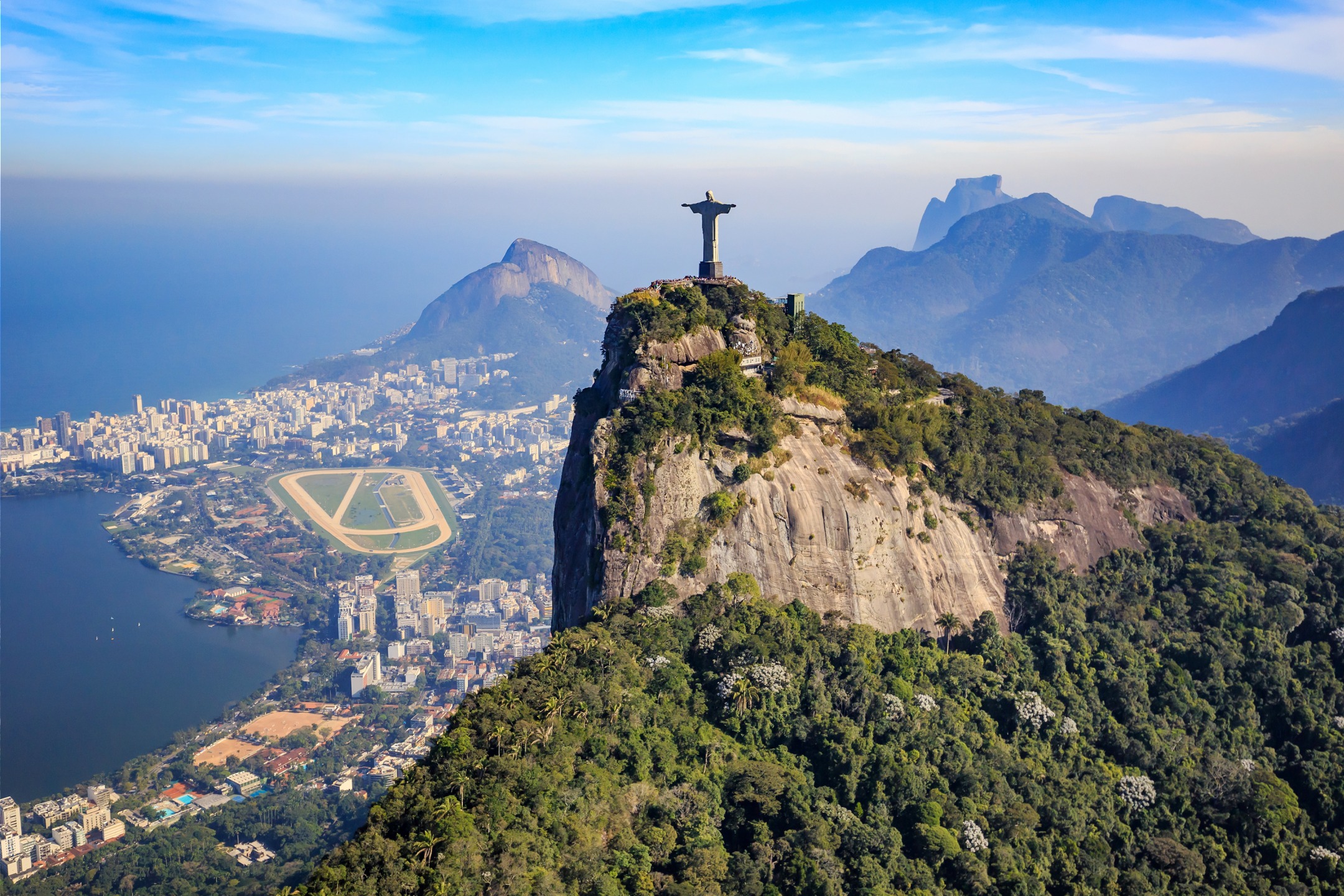
- Christ the Redeemer: Rio's other major viewpoint, on Corcovado, best visited on another day.
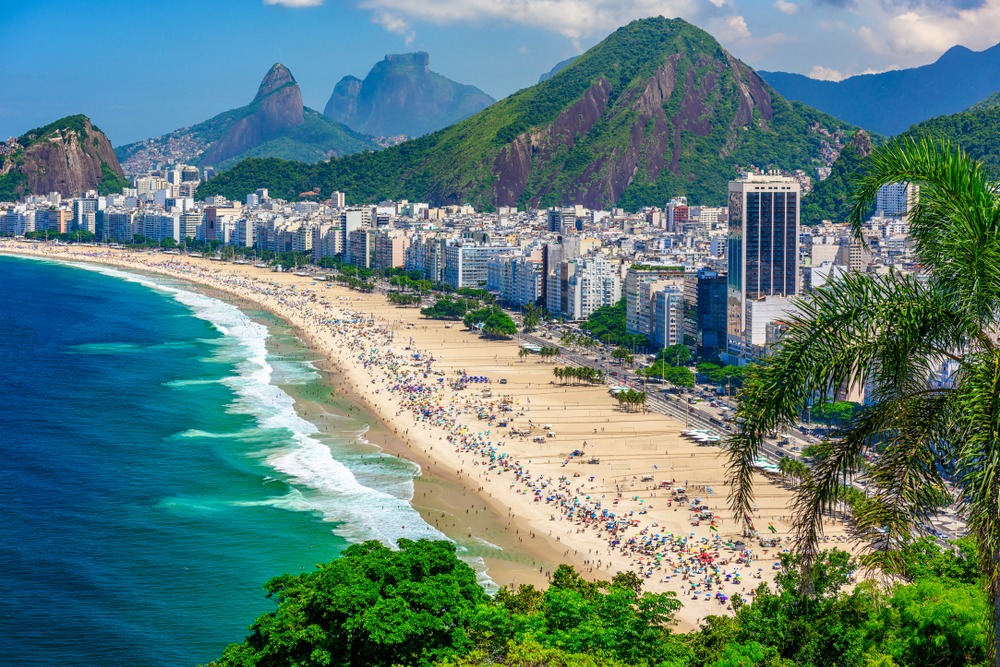
- Copacabana and Botafogo: nearby beach neighborhoods, well connected by bus.
- Imperial Museum of Brazil in Petrópolis, a day trip from Rio.
Frequently asked questions
Online booking on the official website is recommended, especially during peak season and at sunset, to avoid potentially long ticket office queues.
Yes for the first section: a marked 440-meter trail connects Vermelha Beach to Morro da Urca. The ascent to the Sugarloaf summit, however, must be done by cable car (except for guided climbing).
Sunset is the most popular time slot, with the day-to-night transition over the bay. Late morning offers clearer light and fewer crowds.
Allow 2 to 3 hours to enjoy both stations, viewpoints and amenities at Morro da Urca.
Yes. The cabins, stations and panoramic terraces are wheelchair accessible.
Include Sugarloaf Mountain in your trip
Sugarloaf Mountain fits naturally into a Rio de Janeiro stay, complementing Christ the Redeemer, Zona Sul beaches and the historic center. To build a custom itinerary and combine Rio with other regions of the country, explore our Brazil travel packages.
Nearby


Interested in this visit?
We can include it in your personalised itinerary.